


Excavation support
Almost every excavation support starts with a borehole. MGF supplies the hydraulic drive for it – matched to the carrier machine that is already on site.
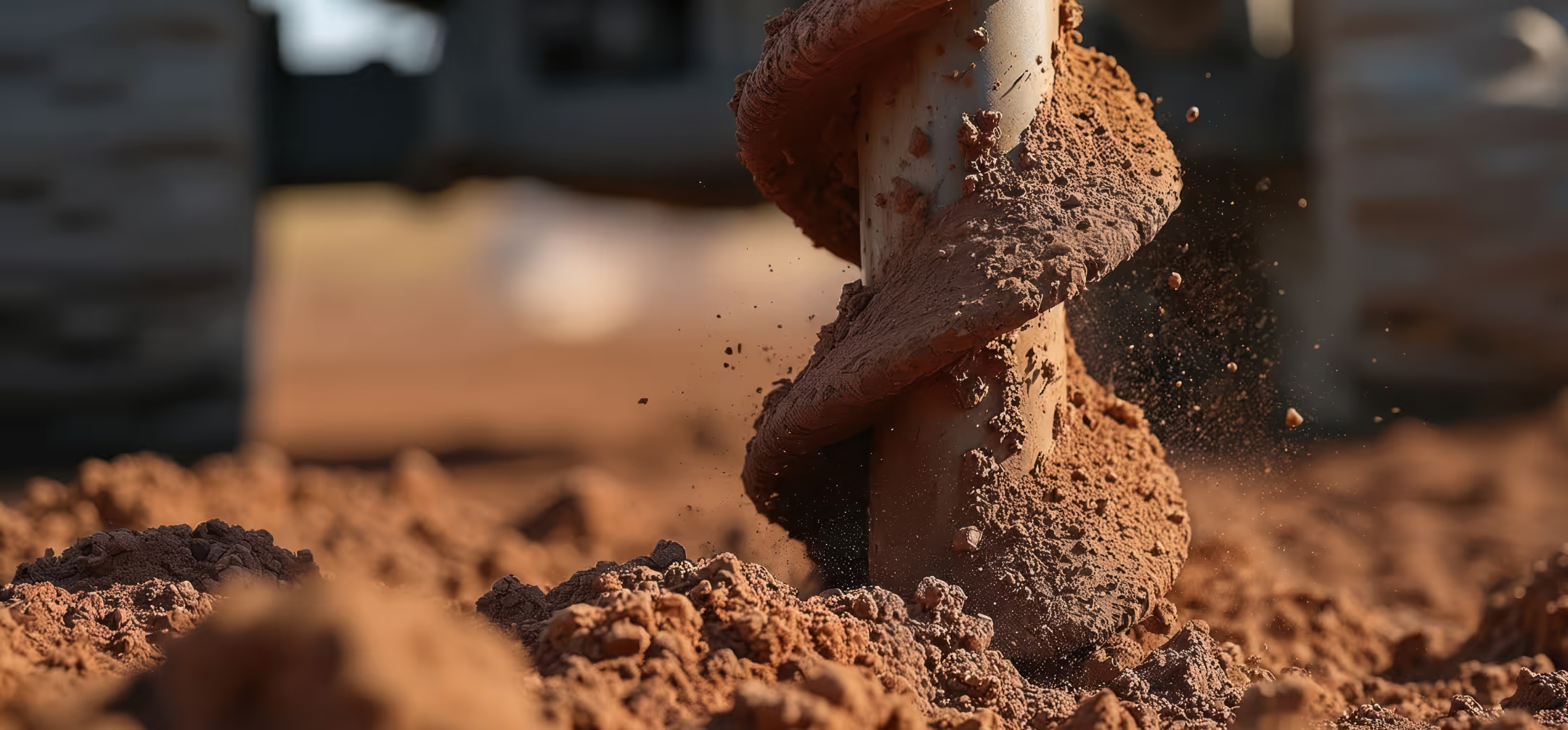
Where drilling takes place
Soldier pile wall (Berliner Verbau)
Boreholes are sunk at intervals of two to three metres and steel beams are set into them. During excavation, timber lagging or shotcrete is placed between the beams. The borehole is the first and decisive step: if a beam sits crooked or too shallow, the whole wall is off.
Bored pile wall and secant pile wall
Here a row of bored piles forms the wall itself. In the secant version, the piles overlap so that a tight wall is created. That means many boreholes, large diameters, often cased, and every single one has to be positioned accurately.
Why it is demanding
- They are under time pressure. An excavation is a tightly scheduled process. If the drilling rig stops, the site stops – for all trades at once.
- There are many of them. A medium-sized bored pile wall consists of dozens of almost identical boreholes in a row. That is continuous load, not peak load, and continuous load is what ages gearbox drives.
- They are often among existing buildings. Inner-city excavations lie between existing buildings, under utility lines, next to railway facilities. Space is tight, headroom is sometimes limited, and a large special drilling rig can't even get to the spot.
How and why an MGF drill motor is used here
No second machine
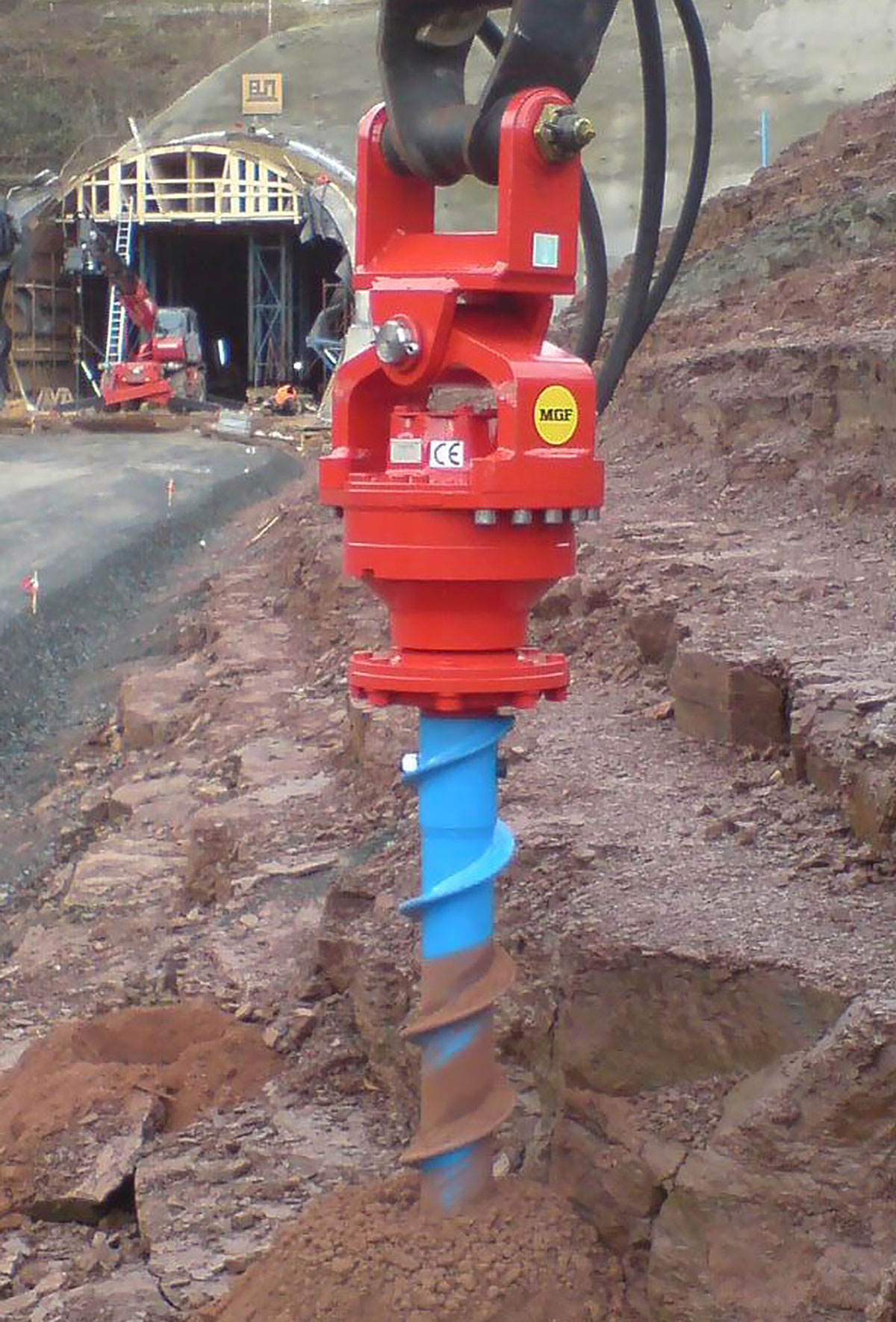
The drive is mounted on the excavator that is already on site for the excavation. That saves a machine transport and the space for a second machine – often the decisive point on an inner-city excavation.
Continuous load without a gearbox
Many similar boreholes in a row, often over weeks: this is exactly the kind of load under which a gearbox wears. The hydraulic drive doesn't have one.
Power at low speed
When pre-drilling for a shoring beam or making a secant pile, what counts is staying power in firm ground. A hydraulic drive delivers its torque via the oil pressure – it slows down, but it stays powerful.
Confined conditions
Because the drive sits on the excavator boom, it works wherever the excavator can go: between existing buildings or under railway overhead lines.
Which model for which shoring task
| Task | Torque | MGF models |
|---|---|---|
| Soldier pile beams, medium diameters | 17,800 – 26,800 Nm | BG 1780 · BG 1920 · BG 2680 |
| Bored pile wall, firm soils, larger diameters | 32,000 – 38,400 Nm | BG 3200 · BG 3840 |
| Secant pile wall, large diameters | 53,000 – 76,000 Nm | BG 5300 · BG 7600 |
| Drilling with media feed (water, air, concrete) | 15,360 – 51,200 Nm | the H series |
Drive and tools from one source
A shoring borehole needs more than the drive: casing pipes for cased drilling, clamping jaws, a ring bit on the casing shoe, and for auger drilling an auger or hollow-stem auger.

Frequently asked questions
For the beams. The steel beams that later support the wall are set into pre-drilled holes and concreted in at the base. Only then is the pit excavated and the lagging installed.
Usually 17,800 to 38,400 Nm, depending on diameter, soil type and depth.
Yes, that is the normal case. We match the drive to your machine's oil pressure and oil flow and make the right connection.

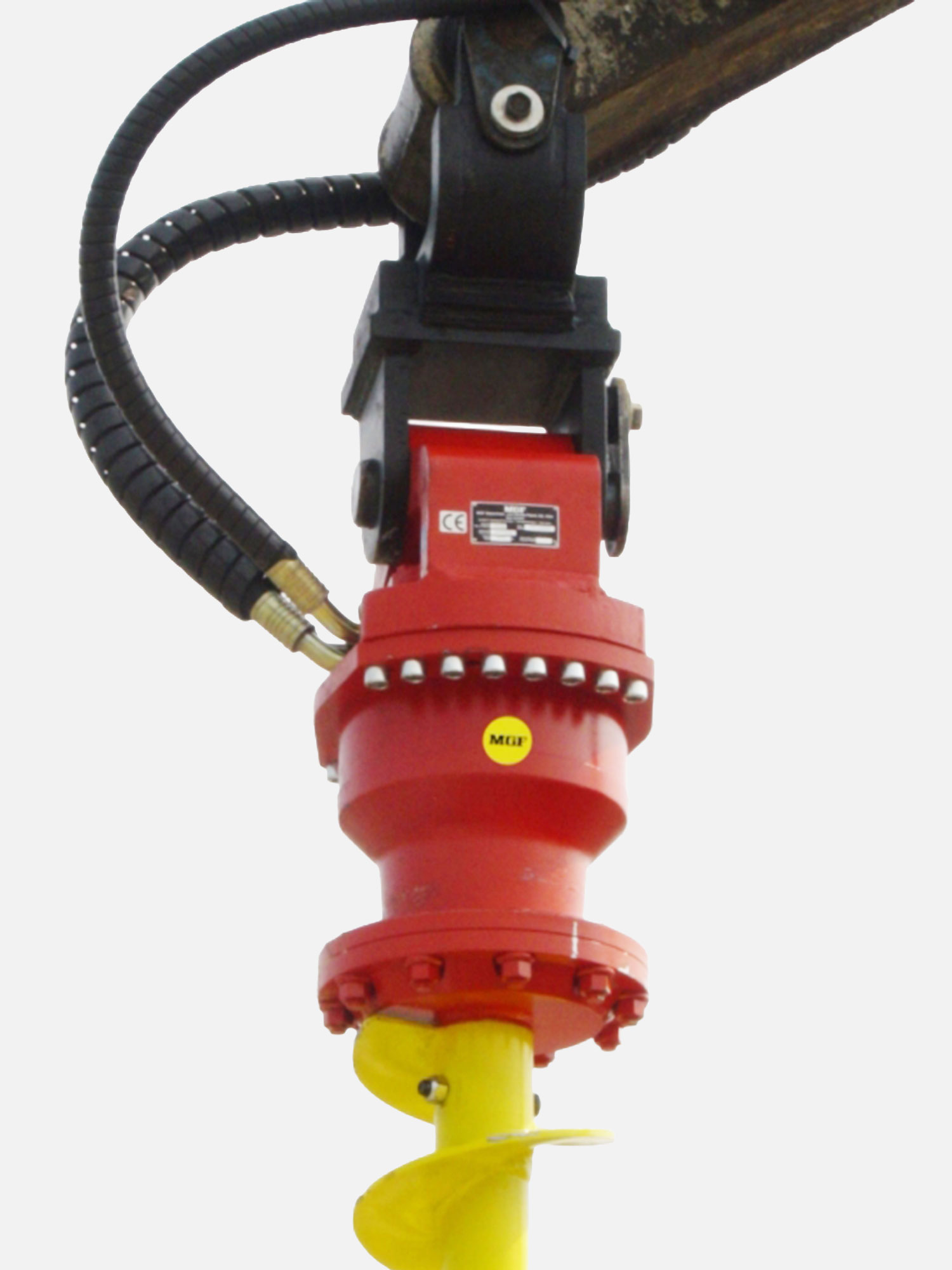

Which drive suits your excavator?
Tell us your machine, oil pressure and oil flow. We will size the drive.
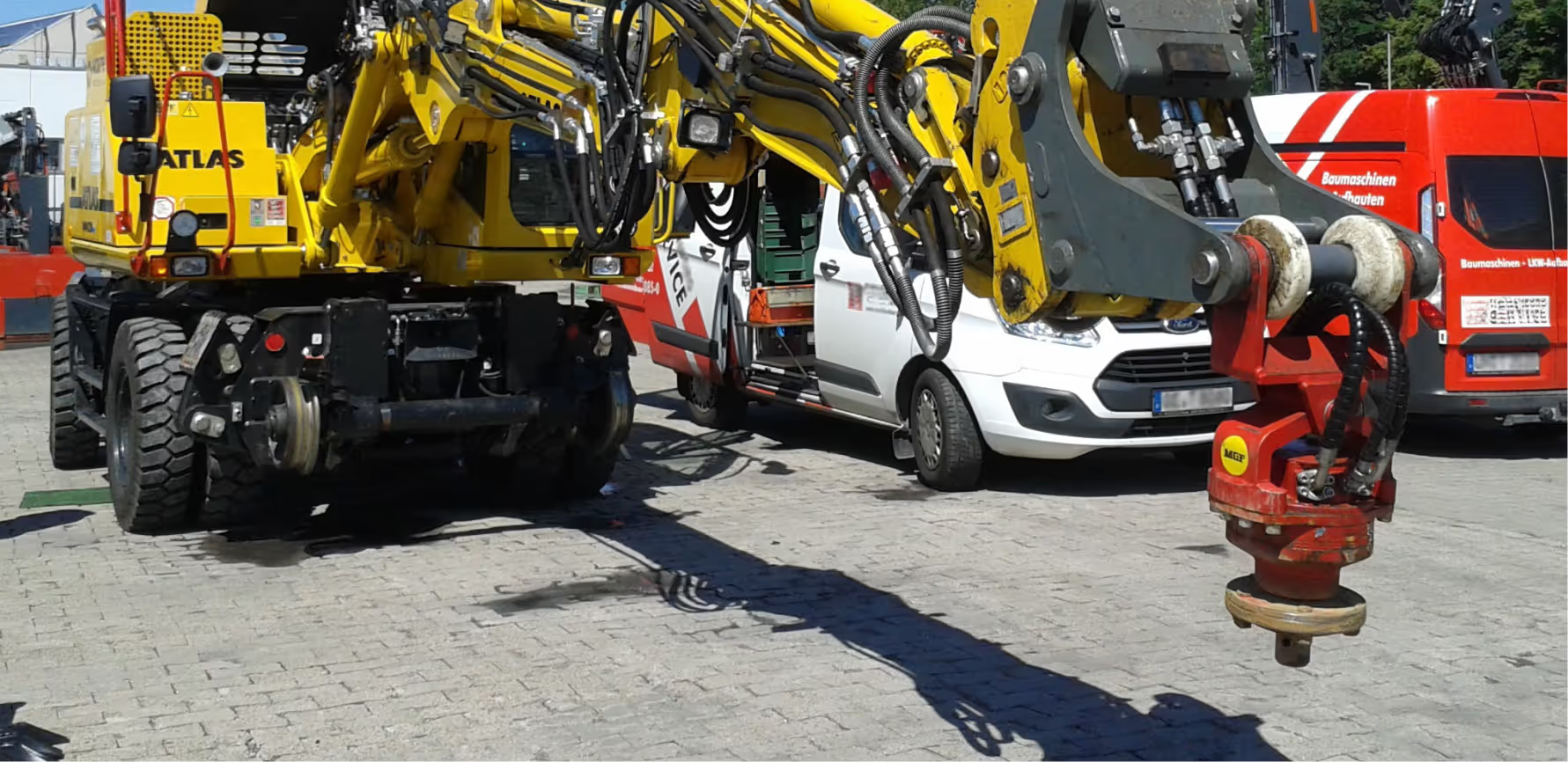


Get advice now — and find the right model
Discover the benefits of our low-maintenance, hydraulic earth drilling rigs. Let our experts advise you on this.


Site created by famesites